The detail behind the work
We start with the decisions someone must make, then agree the information, design and systems that support them. This keeps the website useful as well as distinctive.
01Map the important choices
We identify the main reasons people arrive and the action each visitor should be able to take. A location page, a group enquiry and a simple purchase are different jobs. I shape the structure around those differences rather than giving every page an identical contact button.
This approach suits more than visitor attractions. A service business also needs a clear route from interest to enquiry. You can explore the broader website design service, or the more specific leisure and activity website offer for sector examples.
02Agree which system does which job
If there is a booking, ticket or commerce provider already in use, we look at the supported journey before committing to a new design. The website should make that hand-off understandable. Any API work, custom availability logic or provider subscription needs to be identified and scoped separately.
We also agree who owns the practical information. Your business approves opening details, access information, policies and pricing. I can organise it for visitors, but the website should not make a promise about availability, suitability or accessibility that your operation has not checked.
03Bring the brand and information together
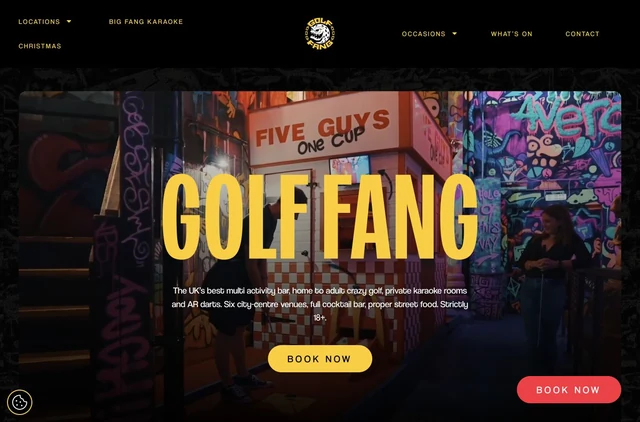
Design needs to create the right impression while keeping the choices legible. I work with approved photography, considered typography and usable layouts across screen sizes. Useful details should not depend on someone watching a long animation, hovering with a mouse or reading tiny text over a busy image.
Where the brief includes a shop or complex feature, the development work is planned alongside the layout. Hospitality-specific requirements are covered in my hotel and restaurant website service; the right structure depends on the business rather than a fixed industry template.
04Check the hand-off and keep it useful
Before launch, we check the agreed routes and make sure important information is accessible on the website. For an existing site, that also means considering useful content, URLs and redirects. Contact and booking tests use suitable agreed routes rather than sending real enquiries to a client unexpectedly.
Afterwards, maintenance and support can keep the technical side cared for while your team updates changing information. Ongoing SEO, AIO and advertising need their own agreed work and measurement. A launch is a starting point, not evidence that rankings or bookings have already improved.