Get started

AI & automation.
With people in mind.

Make room for the work that needs a person. We help connect your tools, simplify repetitive tasks and bring AI into a workflow with a clear purpose.

150+ five-star reviews on Google

Start with the work, not the tool

Less repeated effort.
More human judgement.

The useful opportunity is often a familiar task: copying information, sorting requests, preparing a first draft or chasing the next step.

We look at how the task works today before recommending an automation or an AI tool. Who starts it, what information it needs and where it tends to stall all matter. Sometimes a simple rule or connection is the answer; sometimes AI can help with a part that needs interpretation.

Our Wigan team can help turn that opportunity into a focused tool or integration, shaped around the systems your people already use. We agree the boundaries, test representative examples and keep human review where it matters, so your team understands what the workflow does and how to step in.

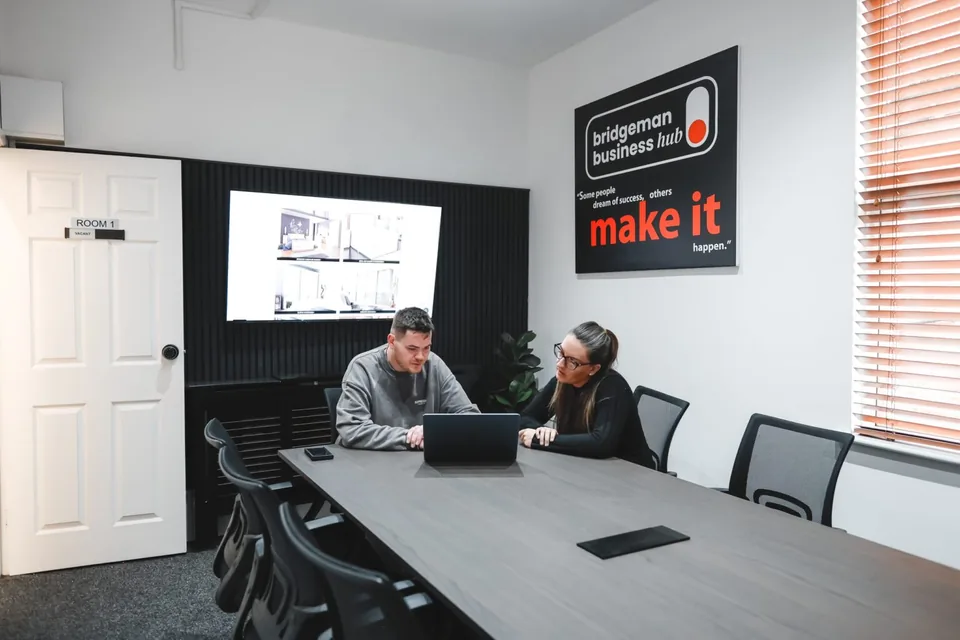
Sam and Trayana working together at the SJH Studio office in WiganSam working on a website in the Wigan studio
People you can talk to.
Work you can be part of.

Useful technology needs a clear job

Solve a real problem.
Keep people in control.

A good starting point is a task that happens often enough to understand. We map the steps, the exceptions and the decisions people make along the way. That gives us a basis for choosing what to automate, what needs a review and what is better left with the team.

AI output needs to be treated as something to assess. For tasks such as summarising information or drafting a response, we define what a useful result looks like and where it must be checked. The person responsible stays visible, with a clear route for correcting or stopping the workflow.

The surrounding details matter as much as the tool. Data access, usage costs, permissions and the way failures are reported all affect whether an idea is practical. We make those dependencies part of the scope and give your team a clear explanation of the finished setup.

See how we get there

Practical uses, shaped around your team

Connect the steps.
Make the work easier.

We scope a focused workflow around a specific need. The right solution may use conventional automation, AI or a combination of both.

Understand the workflow

We map the current task, its inputs and the people involved. Repeated steps, handovers and exceptions help us identify a useful starting point. The output is an agreed view of the problem, the proposed change and how your team will judge whether it helps.

Connect everyday tools

Move agreed information between the systems your team already uses, where suitable integration options exist. We define what triggers the workflow, which records it can change and how failed or incomplete steps are reported, so the connection has a clear operational purpose.

Prepare useful first drafts

AI can help turn approved source information into a summary, outline or draft for someone to review. We agree the source material, expected format and checks, keeping the distinction between generated suggestions and content your team has approved clear.

Sort and route information

Repetitive intake tasks may benefit from extracting agreed fields, suggesting a category or directing a request to the appropriate person. We test representative examples and define what should happen with missing information or uncertain results before a workflow is put into regular use.

Build in review points

A useful workflow makes its limits visible. We agree which actions need a person’s approval, who owns exceptions and how the team can pause or correct the process. Access to tools and data is considered alongside the task rather than added at the end.

Bespoke tools and interfaces

Where existing tools do not fit the process, we can scope a focused interface or custom integration. The aim is to give people a clear way to supply information, review results and complete the next step without introducing unnecessary administration.

From a repeated task to a useful working tool

Start with one problem.
Prove the next step.

We make the intended behaviour concrete, test it with your team and agree what needs to be true before it becomes part of everyday work.

Start with a conversation
  1. Map the task

    See how the work happens today.

    We walk through the current process with the people who use it, including the awkward cases and manual checks. The tools, inputs and decisions become a shared picture. We agree the specific problem to address and what a useful improvement would look like.

    • Current workflow
    • Team knowledge
  2. Choose the approach

    Use the simplest suitable method.

    We consider whether the task needs a straightforward rule, a system integration or an AI-assisted step. Available APIs, data access and provider requirements shape the options. We explain the recommendation, the limits and the ongoing costs that need to be considered.

    • Technical options
    • Dependencies & costs
  3. Define the boundaries

    Agree what can happen, and who checks it.

    The scope sets out the inputs, expected outputs and actions the workflow may take. We agree access, review points and how exceptions should reach a person. Examples from your team help define acceptable results and the cases that should pause or leave the process.

    • Human review
    • Agreed permissions
  4. Build a focused pilot

    Make the idea something you can try.

    We build the agreed workflow or tool in a controlled setup, using suitable test information. Your team can see how inputs become outputs and where their involvement sits. Early feedback helps refine the interface, instructions and handling of the task before wider use.

    • Working pilot
    • Team feedback
  5. Test the exceptions

    Look beyond the easy examples.

    We work through representative cases, including incomplete information, unexpected inputs and failures in connected services. AI outputs are reviewed against the agreed expectations. We use what the tests reveal to adjust the workflow and decide with you whether it is ready for the intended use.

    • Representative cases
    • Output review
  6. Introduce & review

    Give the team a clear way to run it.

    We explain how to use the workflow, review results and handle exceptions, with ownership and support arrangements agreed. Once it is in use, the team’s experience can inform further changes. Any expansion to new tasks, data or actions is discussed as a separate decision.

    • Team handover
    • Ongoing learning

Good people.
Good working relationships.

Read what clients say about working with SJH: the care, communication and people behind our studio. Feedback from across our work together.

View our Google profile

Before we get started

Before we get started.
A few useful answers.

Scope, collaboration and what comes next. A little clarity before your first conversation about ai & automation.

Ask us anything
How do we know whether a task needs AI?

We look at the steps and decisions involved. A predictable task may be better served by a rule or a straightforward integration. AI may be useful when a step involves interpreting or drafting information, provided its results can be checked. The recommendation follows the problem and the requirements, rather than assuming every task needs AI.

Can you connect the tools we already use?

We can review their APIs and integration options as part of scoping. What is possible depends on access, platform limitations and the information you want to move. We define the intended data flow, any usage or licence costs and what should happen when a connected service is unavailable.

What happens to our business data?

Before choosing tools, we agree what information the workflow needs and which services would receive it. Provider terms, access permissions and retention settings need to suit the task and your organisation’s requirements. We can use suitable test information during development and flag decisions that need your internal data owner’s input.

Will the automation take actions without anyone checking?

That is defined in the scope. Some predictable, limited steps may run automatically, while other actions should wait for a person’s review. We agree the permissions, approval points and exception handling with you, along with a clear way to pause or correct the workflow.

Can we start small and improve it later?

Yes. A focused pilot lets your team try a specific workflow and assess it against agreed examples before extending its use. We explain how it works and who looks after it. You can speak to a real person about changes, with any additional tasks, integrations or permissions scoped and agreed separately.

A repeated task. A clumsy handover. An idea worth testing.

What keeps taking
more time than it should?

Walk us through the task your team keeps repeating. We’ll help you decide where a useful automation could begin.

Let’s explore the workflow

Good things start with a conversation

Your next good
idea starts here.

Planning a new website or ready for a redesign? Talk to our Wigan web design team about your business, your goals and your budget. We’ll help you work out the right next step.

0161 399 4751[email protected]4 Bridgeman Terrace, Wigan,
Greater Manchester, WN1 1SX

A real person reads your message. You’ll hear from our studio team, ready to listen and help.

Choose a service

What can we help with?

Pick the best fit. We can talk about the rest along the way.

Choose the main service you are interested in